



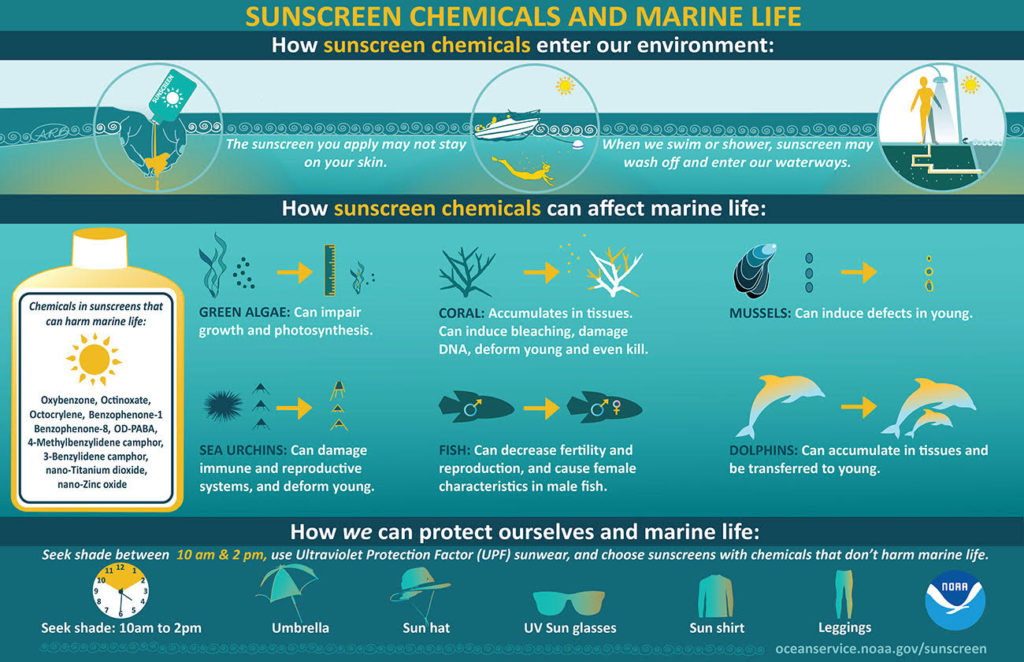
If you truly love the sea, leave sunscreen on the supermarket shelves as much as possible, and dedicate yourself to a modest and slightly snobbish tan: in the Middle Ages, for example, ladies exposed themselves to the moon's rays in an attempt to embody the most dazzling and elegant candor!
More seriously: you can start looking for alternative products – perhaps herbal ones – that are less aggressive and “environmentally friendly”.
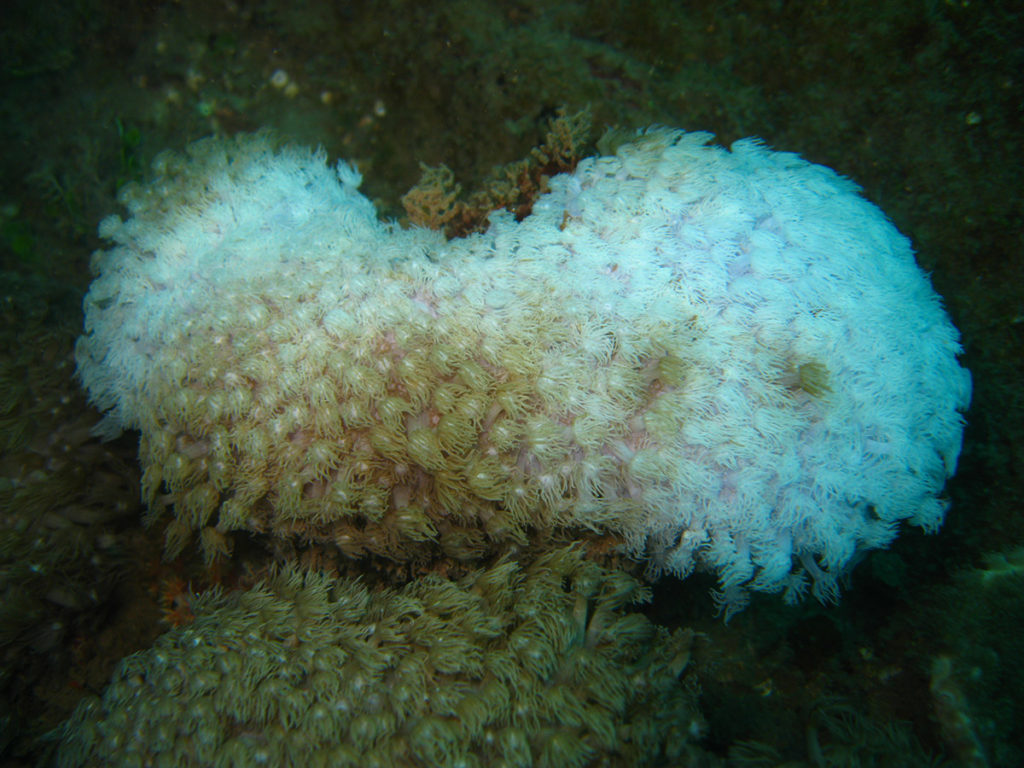
It's not a mania of a "Mediterrean Extremist" or a "Hard Oceanist" (just to play with imaginary names of environmentalist movements), but the rational conclusion of a study conducted by the Department of Life Sciences of the Polytechnic University of Marche, which puts this in black and white: certain sunscreens are anything but good for the marine environment.
This is the message of an educational trip on the health of coral reefs in Madagascar coordinated by Professor Carlo Cerrano , in which 14 students participated: Martino Ilacqua, Enrico Manfredini, Simone Fazio, Alberto Colletti, Elisa Laiolo, Vittoria Ghiglione, Lucia Ventura, Selene Di Genio, Cecilia Varotti, Matilde Baruffaldi, Marilyn Carletti, Agnese Riccardi, Antonietta D'agnessa, Giorgia Luzi.
Professor Cerrano, this is not just about research but also about raising awareness on this issue.
Sunscreens can release substances that are particularly harmful to the health of marine organisms, and Professor Danovaro's research group from the Department of Life and Environmental Sciences has patented completely non-toxic cosmetic products for reefs. This trip was also an opportunity to inspire students to set an example of virtuous behavior and care for the health of the sea.
What do you propose and what results have you achieved?
"From the standpoint of raising awareness, the spin-off Eco-reach provided expedition participants with sunscreen and informational materials to distribute at the resort—the Eden Village Royal Beach Hotel in Nosy Be, Madagascar—which hosted the expedition. The good news is that the resort's director, Antonio Pittalis, has decided to provide tourists with illustrative materials to raise their awareness of the effects of these products on the marine environment."
Why was Madagascar chosen to conduct this study?
All reefs on the planet are rapidly declining, but in some areas this process does not appear to be occurring with the same intensity and frequency . In Indonesia, bleaching events have been documented less frequently than in Australia, the Caribbean, the Maldives, or some Pacific islands. African reefs also appear less affected, and the reefs of Madagascar fall into this group. The causes are unclear, but the level of development could be a contributing factor.
What kind of investigation did you conduct?
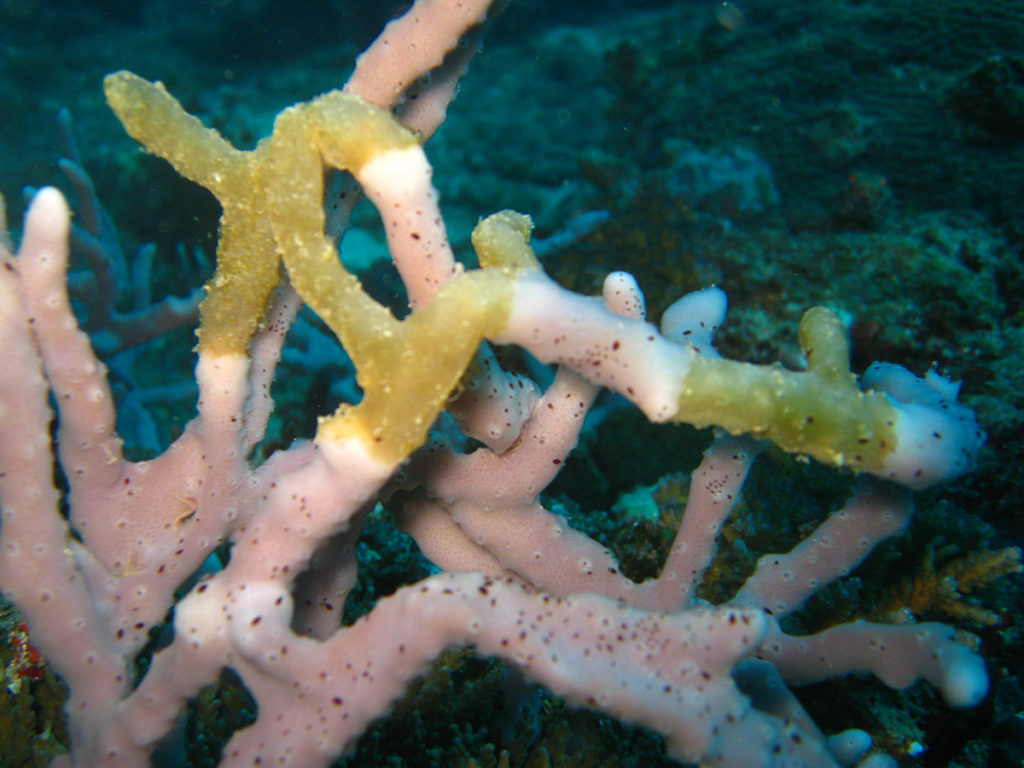
The Reef Check protocol is used worldwide to rapidly assess the health of reefs, taking into account a series of indicator species (both fish and invertebrates) and the presence of bleached or diseased corals. Applying this methodology in both protected and unprotected areas, preliminary data has shown that fishing is impacting locally, but only artisanal fishing, with little impact on the integrity of the reef. According to operators who have been working on those reefs for years, the biodiversity of Madagascar's reefs is declining, but compared to other reefs around the world, their condition is more than good. Therefore, it is urgent to document the structure of these reefs to ensure adequate protection.
So the situation in Madagascar isn't dramatic?
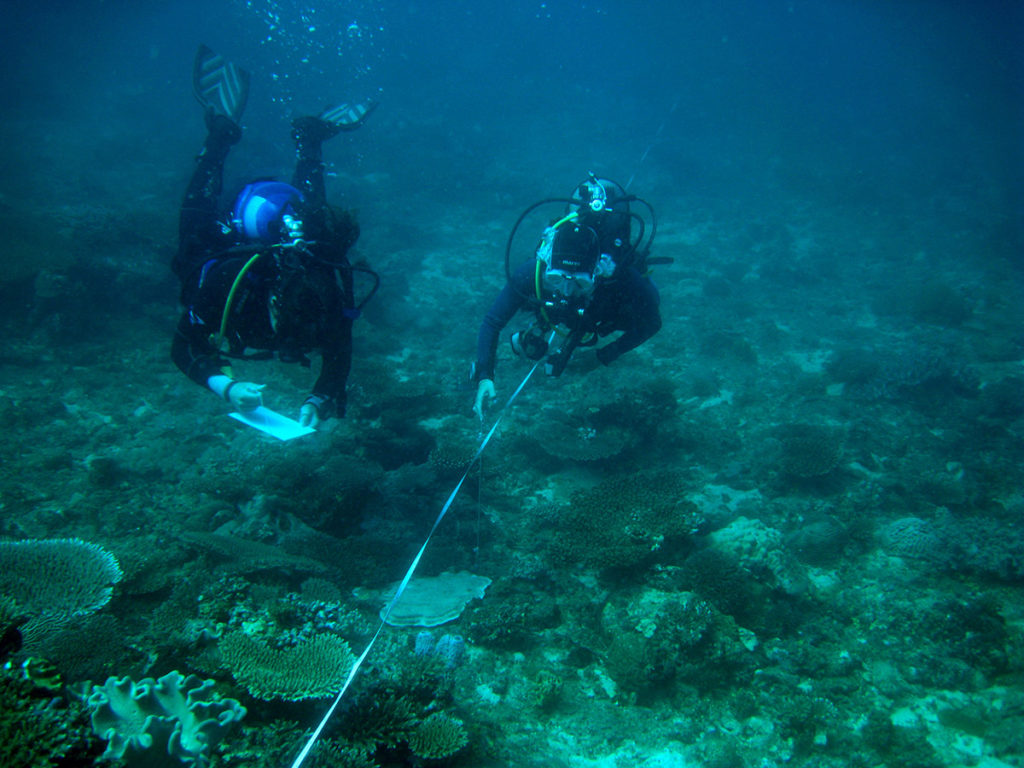
Madagascar is characterized by extremely high biodiversity and rapidly growing tourism, which, however, has not yet irreparably altered the marine environment. The students thus had the opportunity to study these ecosystems in near-optimal conditions. Two dives a day, six sites explored, data collection was reviewed, the main coral genera were identified during dives, and a research project was presented based on observations of the analyzed reefs. This activity, concentrated over six intense days, allowed the students to apply the international "Reef Check" monitoring protocol and observe the impressive biodiversity of these endangered habitats, previously known to them only through theoretical study.
The conclusions of these six days of study?
The collaboration with the Nosy Be "Manta Diving" center allowed the researchers to acquire detailed information on human activity in the study area, which is useful for correctly interpreting the data collected. The reefs visited, some protected and some unprotected, showed overall good health, but the consequences of fishing activities are evident and, given the rapid expansion of tourism, could dramatically increase. No significant pathologies were detected on the corals, however, numerous species indicating systemic stress were identified, highlighting the extreme fragility of the reef's equilibrium.
Tourism industry and environmental ethics
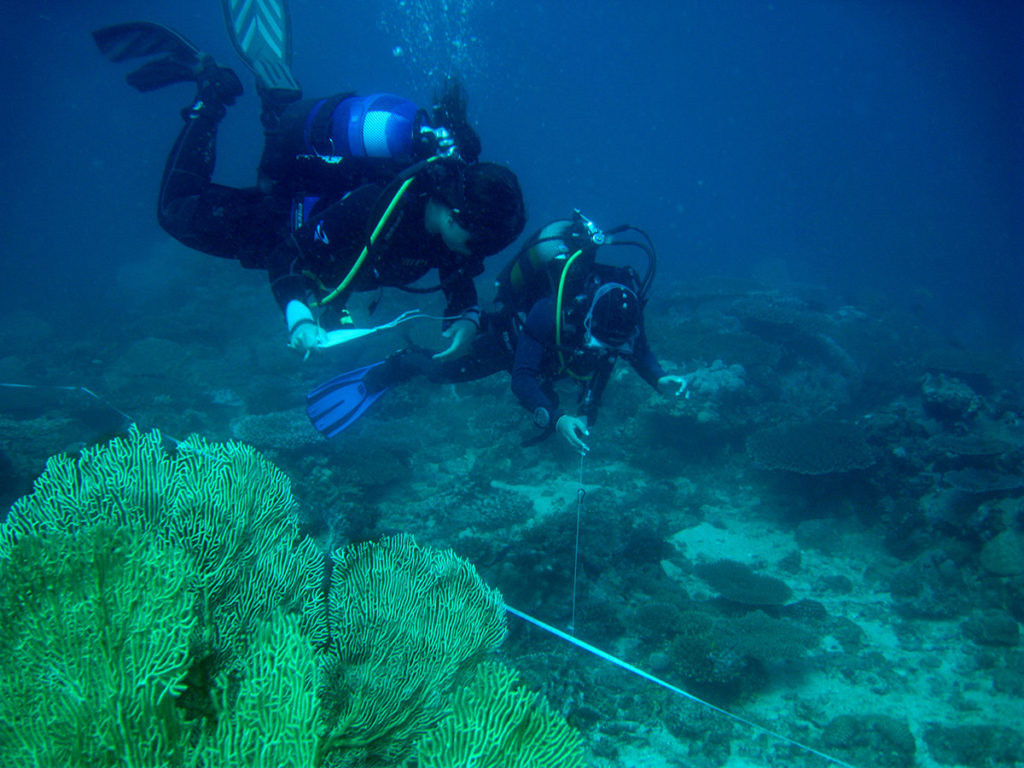
The problem of mass tourism in so-called "natural paradises" also translates into significant environmental and ethical issues. Ethical because it is crucial to understand whether, in these often disadvantaged and economically backward areas of the world (where the environment has likely been preserved precisely thanks to low human activity), the economic benefits derived from the tourism industry benefit local communities or multinationals in the sector. And ethical and environmental because the ecological impact is inevitably linked to the first problem: first, due to the influx of large numbers of people, and second, because if the economic benefit does not trigger local development, but merely translates into a drain on economic resources by entities with no interest in the local area in which they operate, adequate development of infrastructure and services will be difficult. This begins with efficient waste treatment and disposal facilities, without which pollution inevitably occurs.
The landfill atolls in the Maldives
The result is that – as we are now beginning to understand – the other side of the Maldives (for example) are the landfill atolls, veritable "lands of fire" where unsorted waste is burned without any filter in enormous holes in the sand, producing and spreading pollutants, even highly toxic ones, such as dioxin, which are then absorbed by the land, water, fish, inhabitants and... tourists!
Virtuous daily behaviors
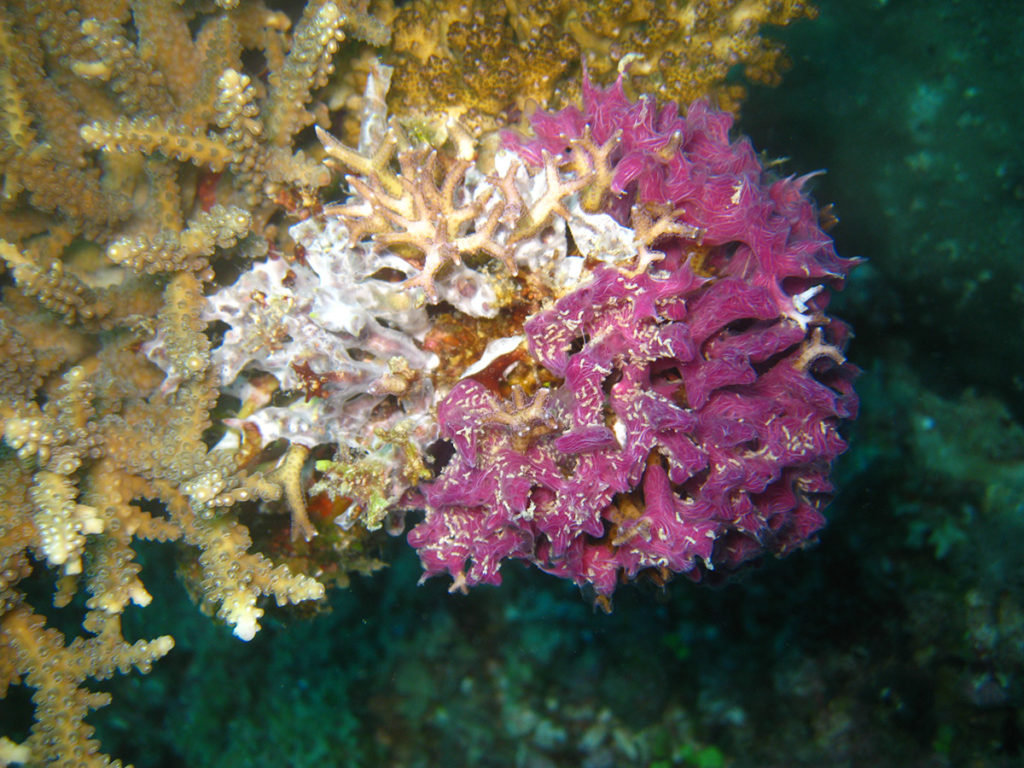
But if the "big picture" is beyond the control of individuals, there are responsible everyday behaviors that can help move in the right direction, including—precisely—the moderate use of sunscreen and soaps and detergents in general, remembering that everything, ultimately, ends up in the sea!
We all remember the warning of Sylvia Earle, American marine biologist, author, explorer: “No water no life. No blue, no green”, rather than his lapidary “No ocean, no us”, which translated into “Italian” sounds more or less like this: “Dear silly little men, remember that if you make the ocean sick, you too will disappear!”
And returning to the study conducted in Madagascar and the related awareness-raising efforts on the correct use of these products, which – even if it is not the most significant pollution problem – undoubtedly constitutes an example worth following and relaunching.
The important role of scuba diving in environmental protection
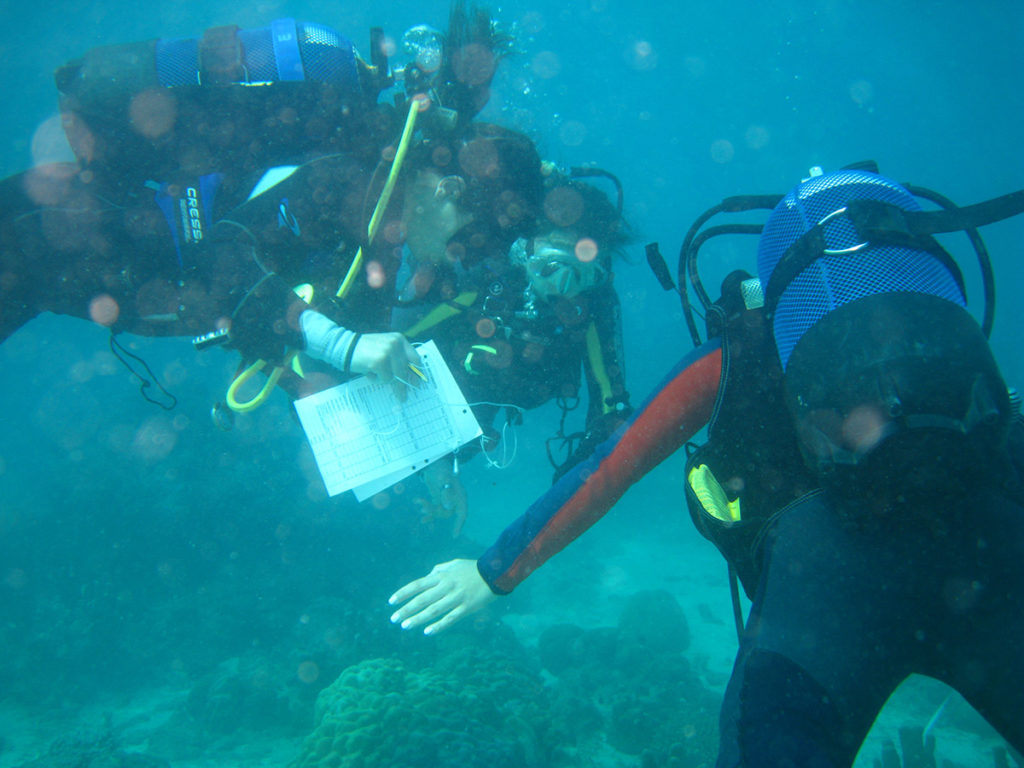
"We can't pretend to stop progress," Cerrano concludes, " but we can't continue to ignore the serious imbalances our activities are causing in the environment. The challenge for marine biologists is to rapidly increase our knowledge of these complex systems in order to direct social and economic progress toward sustainable approaches, and fortunately, the knowledge on how to do so is now readily available. Scuba diving can play an important role in this effort, representing a means of raising awareness and education whose potential is still largely underestimated."
Underwater photography by Cristina Gioia Di Camillo


2 comments on "Too much sunscreen is bad for corals"
Hello everyone, my name is Sabrina, I'm a scuba instructor and I want to start a nonprofit organization to raise awareness among younger generations about marine pollution, promoting scuba diving for everyone in schools! I'd like to contact Professor Serrano, can you help me? Many thanks, Sabrina Ramburgo
Good morning, Sabrina, you can contact Professor Carlo Cerrano at c.cerrano@staff.univpm.it . Best regards, Massimiliano Francia.
Comments are closed.