



In Mexico, a great white shark bites off a diver's head.
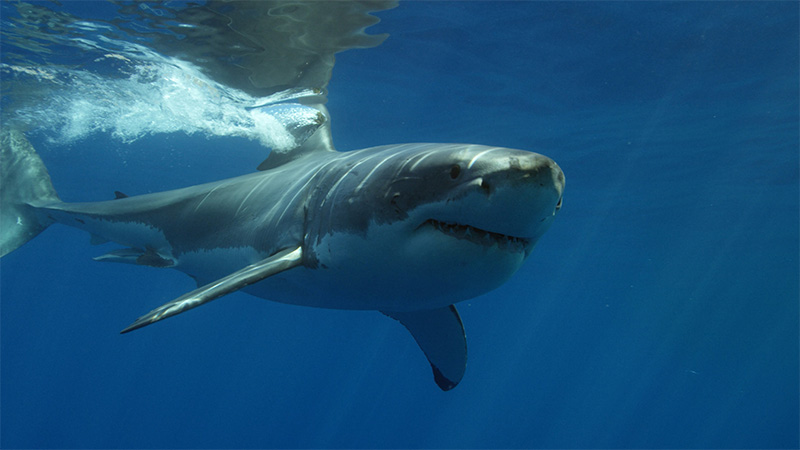
Tragic news is making the rounds on the web: in Mexico, a shellfish fisherman (in certain areas, harvesting with scuba tanks is permitted), Manuel Lopez, was attacked by a great white shark that bit off his head in front of witnesses.
The article, while it reports true and, indeed, sad news, is certainly intended for clickbait . While the headlines highlight the victim's beheading, scrolling through the text reveals several inaccuracies that aim to exaggerate the event, ultimately demonizing an animal that, yes, is a predator, but we've always known it in a very different light.
The great white shark: the data
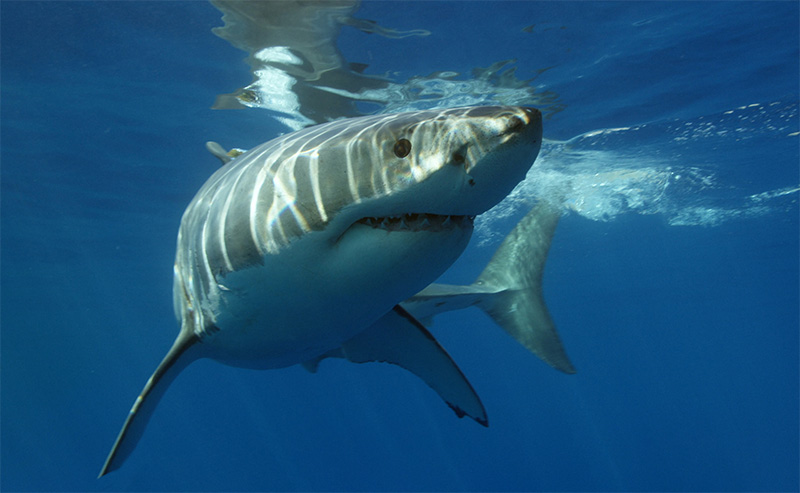
Let's critically examine the articles that have appeared: Many report in the headline that the animal's length was 19 m, a clearly absurd figure for a great white shark. Perhaps due to a translation error, it is likely that the shark's true length is 19 feet (= 5,79 m). Let's remember that according to Randall the reliable length record for a white shark is 5,94 m measured in Australia in 1987. Many longer lengths are reported in the literature but these may be exaggerations.
19 m, if we consider for example that it is the measurement of a large yacht, is an evident exasperation.
Articles reporting on the event also mention the modus operandi of not using certain types of wetsuits to prevent the animal from confusing the diver with prey. However, we want to emphasize that a 6-meter predator can inflict significant harm on a human victim, perhaps in a playful attack or to sample unfamiliar prey. When attempting to understand the psychology of a top predator like the great white shark, we should always keep this in mind.
From Predators to Prey: Endangered Species and Sustainability
Another article about sharks, but one that has gone largely unnoticed, refers to Australia's famous national dish, flake, consisting of breaded and fried fish fillets. This specialty is prepared with a specific species considered sustainable ( Mustelus anctarticus , or Australian smooth hound). In reality, due to labeling errors, the fillets used for flake come from many species, including endangered species such as the smooth hammerhead or shortfin mako, resulting in consumers unknowingly eating protected species . This means that while it's true that the chances of dying from a shark attack while diving are 1 in 3.748.067 (source: International Shark Attack File ), it's also true that our way of life isn't as generous with an animal we risk seeing in our seas less and less.
We share the grief of this tragic event with the families and loved ones of this year's first Mexican victim, but we would like to once again highlight how our species, through unsustainable behavior, is responsible for the elimination of large numbers of sharks.