



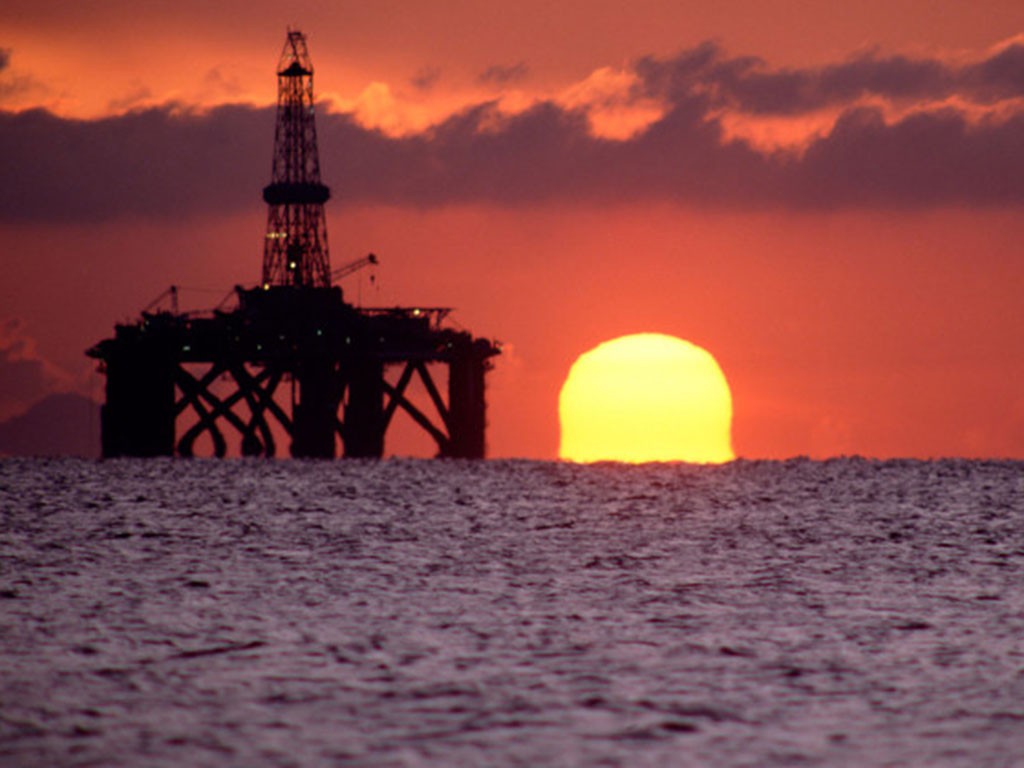
While public opinion is divided on the no-triv referendum of April 17 , regarding whether or not to repeal part of the law that currently allows those who have obtained concessions to extract gas or oil from offshore platforms, within 12 miles of the coast, to extend those concessions until the deposit is exhausted, some issues, regardless of the outcome of the polls, remain on the table.
Are these offshore platforms really safe structures?
Is it really possible to close down a field in the middle of the sea?
If a well is abandoned, what happens once the facility is closed?
Is there a risk of environmental pollution or not?
The aim is to find answers to these and other questions by placing skills and professionalism at the service of the community for investigations and monitoring, a Technical-intellectual consortium composed of public bodies, associations and freelancers still entirely Sicilian, which has given itself the name of "Clean Seas Pool".
To monitor offshore platforms, which, due to their remoteness from our coasts, often remain unrecognized and isolated, and to ensure the integrity of the marine ecosystem, the Consortium intends to establish a systematic monitoring and control body for the drilling rigs located off the Sicilian coast. This body will be able to conduct periodic analyses and document what is actually happening underwater. This will provide everyone with a watchful eye, with the aim of preventing further damage, whether the offshore platforms close or remain operational.
The Consortium's creation is promoted and supported by: the Sicilian Regional Superintendency of the Sea; UniKore, University of Messina – Department of Chemical, Biological, Pharmaceutical, and Environmental Sciences; the Agrigento Naval League; SiciliAntica; it is joined by several researchers, professionals, and operators in the sector.
This organization aims to implement marine protection and conservation functions, promote technical discussions to address the issue of drilling monitoring and decommissioning procedures, and develop suitable, eco-sustainable solutions to ensure their safe removal from the marine environment.
In Italy, there are 130 offshore platforms located within 12 miles of the coast, used for oil and gas extraction or production: four-fifths of all the gas produced in Italy – approximately 10% of the national demand – is extracted from the sea, as is a quarter of all Italian oil.
While, on the one hand, Italy's energy dependence on these sources currently seems indispensable, on the other, the risks and dangers to the environment and health deriving from the presence and activity of these platforms are a source of considerable reflection.
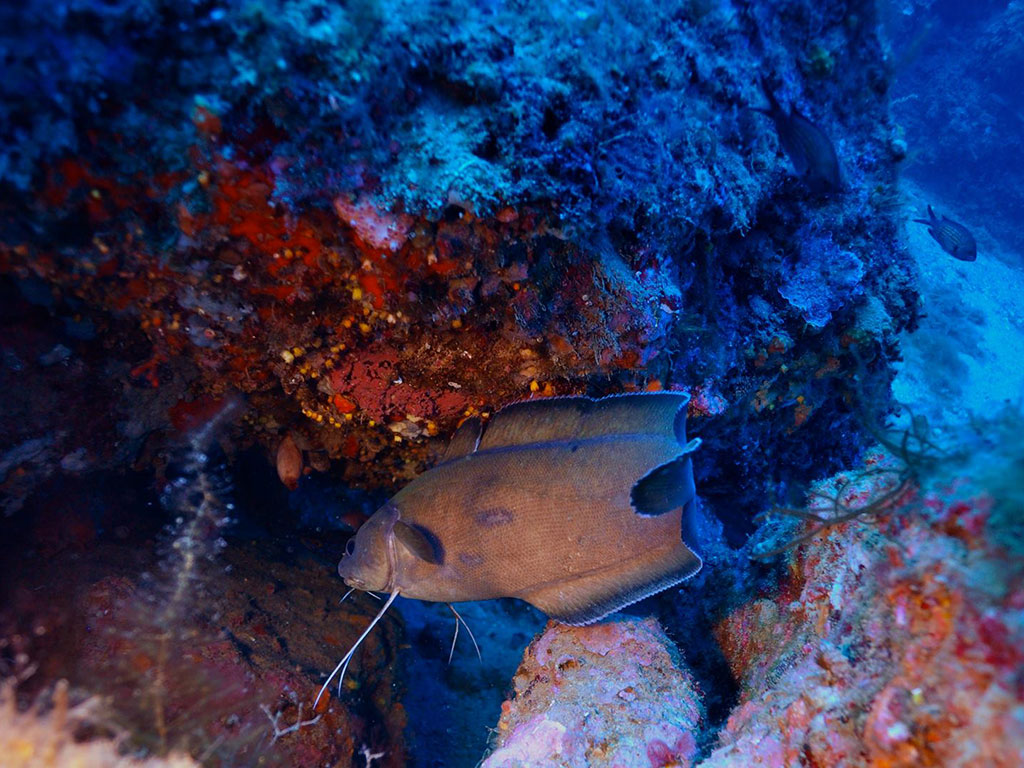
Initial assessments in this regard have been conducted at ISPRA, the Italian National Institute for Environmental Protection and Research. The Clean Seas Consortium, therefore, would cooperate and support public institutions and bodies, following a logic of active and informed citizenship, in monitoring and implementing procedures for dismantling the platforms, free of charge and on a voluntary basis.
To this end, the Consorzio Mari Puliti invites anyone interested in collaborating and researching to come forward and join the group. Everyone's intellectual and professional contribution is essential to developing appropriate and integrated strategies for protecting our seas, ensuring the correct implementation of regulations for the protection and enhancement of the natural, historical, and cultural heritage represented by the sea in its entirety, and acting in the name of knowledge and dissemination.