




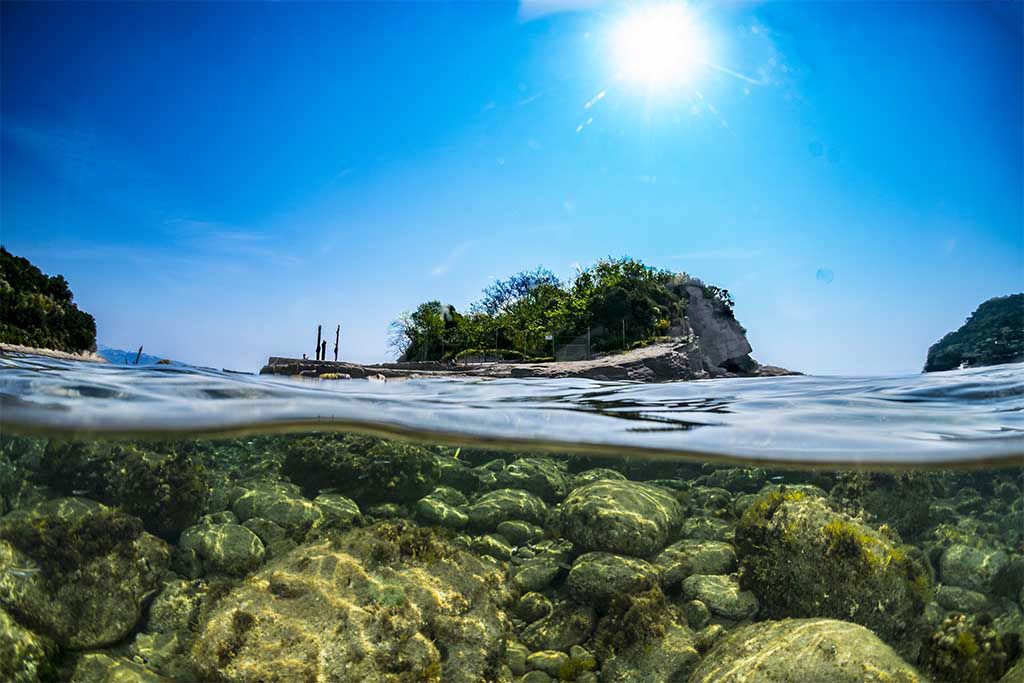
The islet of Punta Pennata is located in Naples, specifically in Bacoli, a town that during the Roman Empire was the main site of Imperial Villas and a port base for naval fleets. This islet was a peninsula and the headquarters of the "praetorium misenate" legions.
It became a small island in the tsunami that struck the area in 1966. This islet is shaped like a long, curved tongue and is traversed by three tunnels, one of which was closed by a landslide. It is currently semi-submerged in about two meters of water and served as a connection between the north and south sides. The other tunnels, called "Grotta del Corallo" and "Grotta di Nerone," were used to drain water to prevent the silting up of what was then the port of Miseno, home to naval fleets. The second "Grotta del Corallo" is about seven meters deep and was already accessible by boat in Roman times.
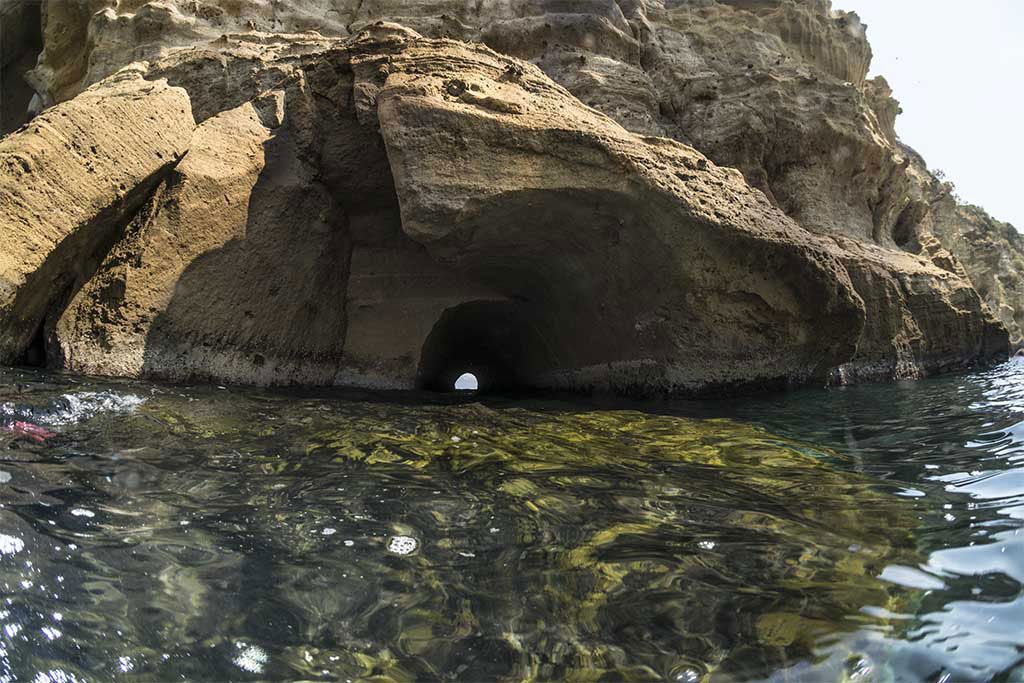
Here, finds have been made that testify to a residential complex, actually a patrician villa known as the Villa of Lucullus. Submerged archaeological sites, an area with remains of cocciopesto flooring, and several structures with typical techniques used between the first half of the 1st century BC, such as opus reticulatum, opus latericium, and opus vittatum, can be identified.
In 1921, statues and remains of fragments and sculptures were discovered and kept at the National Museum of Naples, including the head of Apollo and the portrait of Alexander the Great.
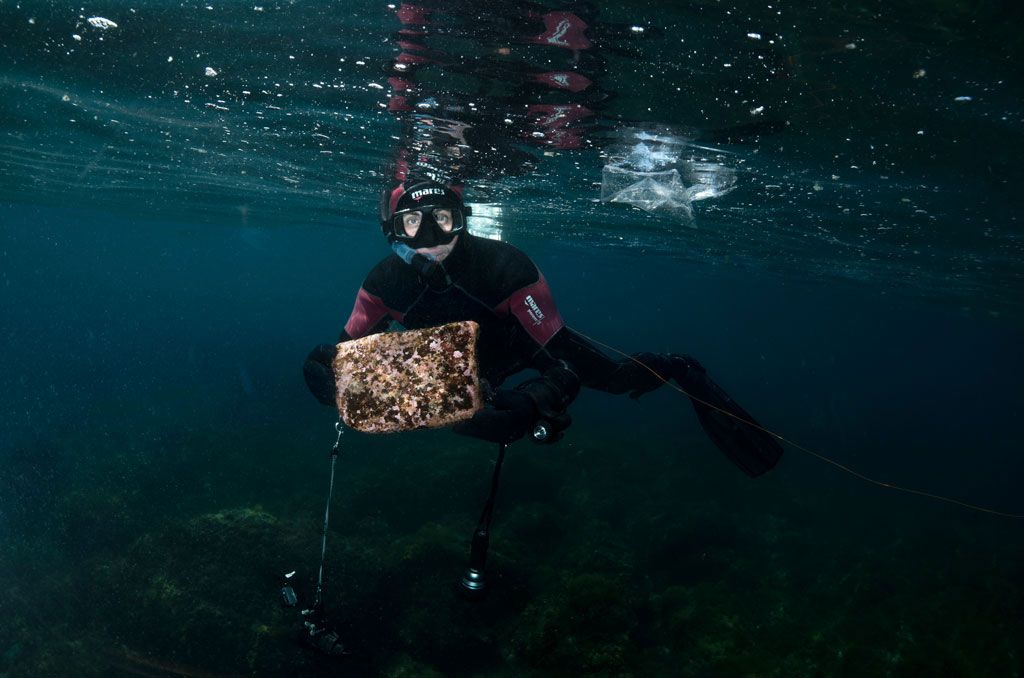
We are in the Phlegraean Fields, an area home to numerous volcanoes, some of which are extinct, like Punta Pennata, and archaeological remains. I wanted to snorkel here given its shallow depth, but it's surrounded by clear waters and features rock made of the characteristic yellow Neapolitan tuff.
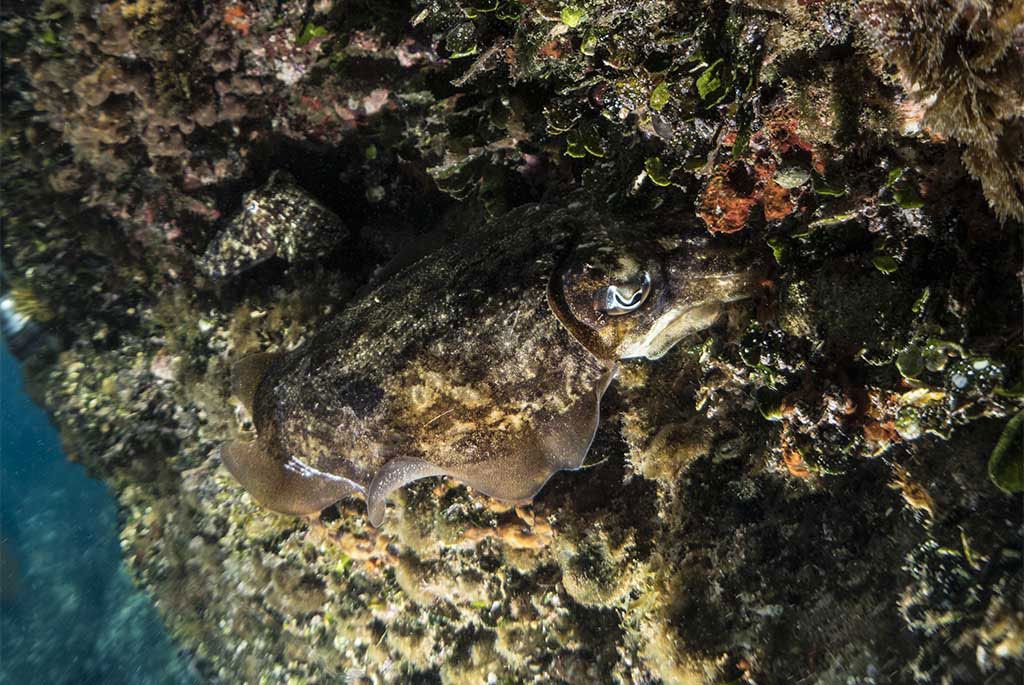
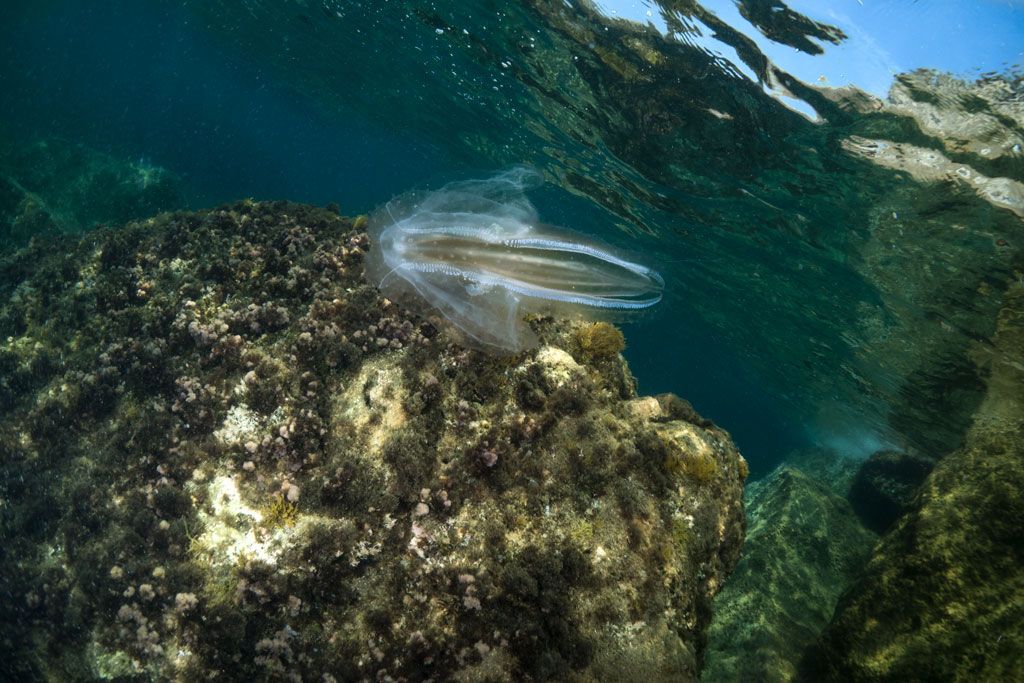
Out of the water, it's easy to be drawn to every glimpse of this wall, but by dipping your face in the water, many pelagic guests circumnavigate this area. The walls are filled with cuttlefish, moray eels, hermit crabs, and noble fins, and among the piles of rocks and crevices, you may find amphorae and remains of pavements that take you back in time.
Yes, there's a lot of history here, which I'll gradually uncover, as it's all connected by a single thread. The next article will focus on the history and coastline of Misenum, both above and below sea level.






2 comments on “Scuba Diving at Punta Pennata”
Thanks to Imma, whom I also have the pleasure of knowing personally, I'm finding the urge to dive without scuba, as she's doing, helping us discover this fantastic aspect of our coasts in the very first meters of water. Kudos to her for her documentation work and her photographic eye. I look forward to future articles.
Thanks, Eduardo, for sharing your thoughts. I'm glad my articles inspire you to dive more often. Until the next post...
Comments are closed.