




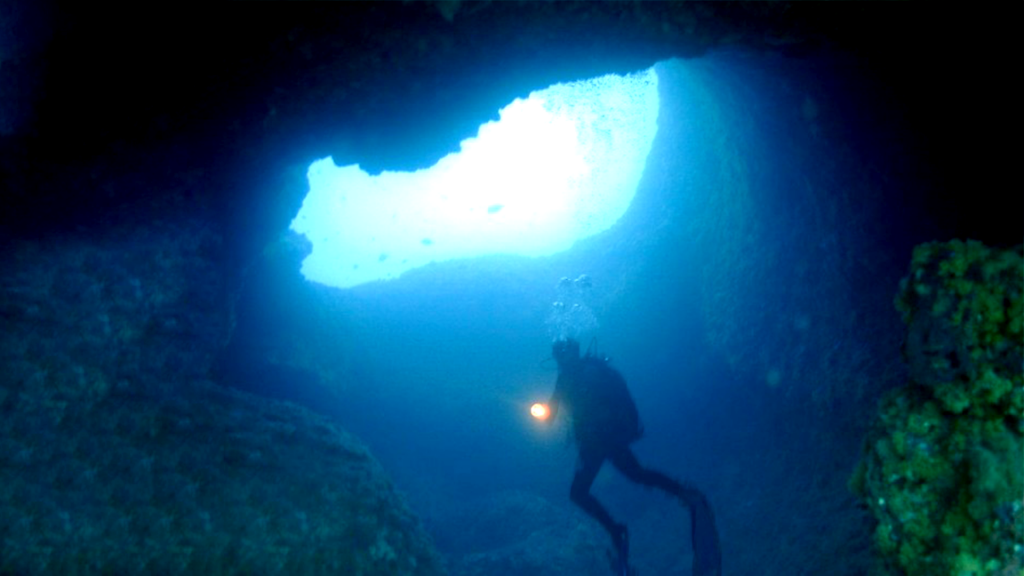
A marvelous thirty-meter-deep underwater cave has been discovered in Puglia, in Santa Maria al Bagno. Named "La Conca," although the discovery dates back to January, it was only added to the register of natural caves the following month.
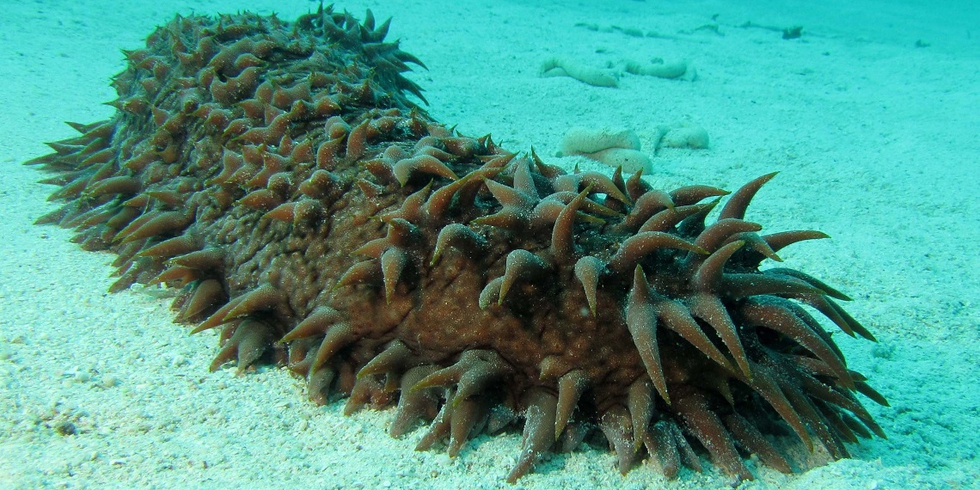
The site's name was inspired by the way the cave was discovered. Following a hollow near the low cliff near "Pizzo delle Cozze," the specialists explored an underwater passage of about 30 meters, encountering goldfish and schools of sea cucumbers. These mollusks are known to inhabit clean, nutrient-rich waters.
The importance of biodiversity in caves
Sea cucumbers, also known as sea cucumbers, perform important ecosystem functions. They play a key role in recycling nutrients that can, in turn, feed algae and corals, and they can play an active role in protecting coral reefs from ocean acidification.
However, these animals have become victims of reckless fishing , first in the East, where some varieties are considered delicacies, estimated to be worth up to $600 per kg, but more recently also in Europe, which could cause the extinction of the sea cucumber in the Mediterranean.
The submerged cave in numbers
The divers measured the size of the cave, equal to 15 meters, with an entrance more than 10 meters wide and 5 meters high. The rolling mill is 4 meters wide and 10 meters long.
A beautiful discovery, especially considering the vastness of the flora found after the first dive.
The marine area where the cave is located, Santa Maria al Bagno, was equipped with a port called Emporium in 272 BC. The Lecce diving group operated here, where the Bengasi cave stands out among a multitude of tunnels and cavities.
We've previously talked about a cave in Puglia, the deepest in the region, but when a new natural wonder is discovered, it's a good idea to share the news.