




A team of archaeologists from the University of Zadar made a sensational discovery while diving in the sea off Korčula: a 7.000-year-old submerged road. This find reveals further details about the history of civilization in this region and offers a new underwater experience for diving enthusiasts.
Dalmatia as the cradle of civilization
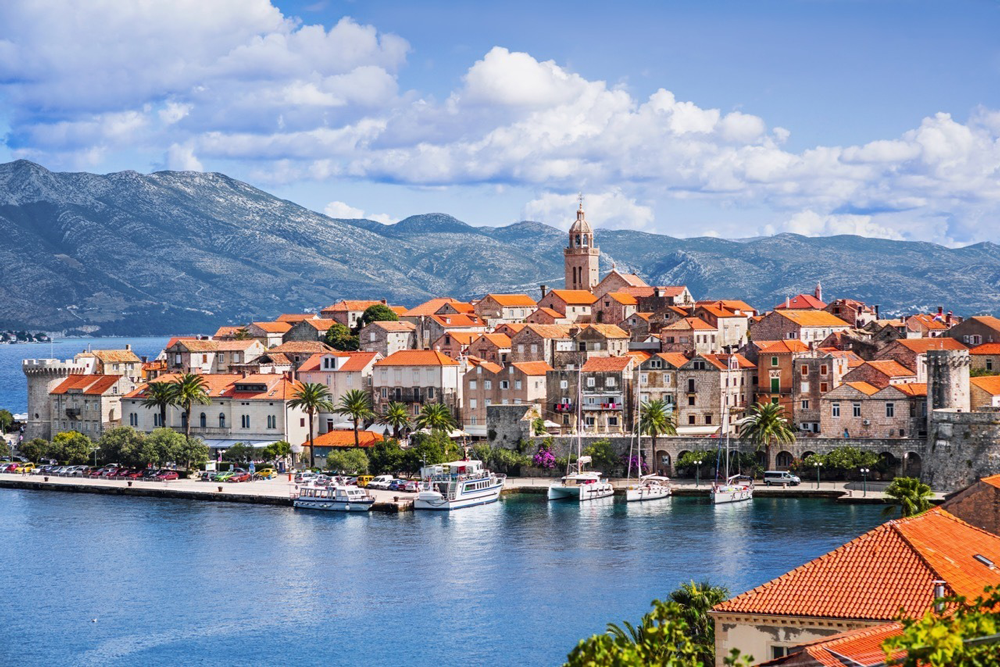
Dalmatia , located along the eastern coast of the Adriatic, has always been considered one of the cradles of civilization. Numerous archaeological finds have been discovered in the region, testifying to the existence of ancient cultures and traditions. Experts from the Zadar Department of Archaeology, led by Professor Mate Parica, recently uncovered a submerged road that connected the island of Korčula to the ancient village of Soline.
The discovery of the submerged stones
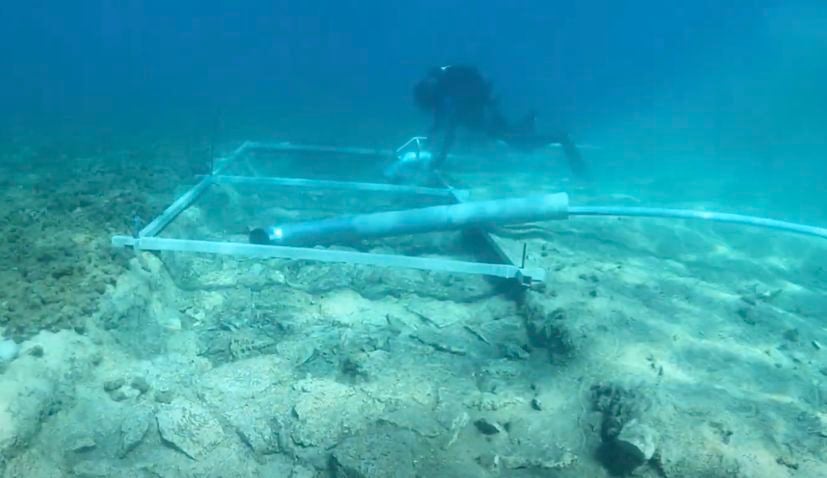
The dive discovery focused on these areas after using satellite imagery to locate the Neolithic site of Soline, submerged off the coast of the Croatian island of Korčula. The road, built with stone slabs, lies at a depth of 4–5 meters beneath the Adriatic Sea.
The ancient people of Hvar and the Neolithic civilization
The sunken road dates back to the Neolithic period and was used by the ancient Hvar people, who inhabited now-submerged areas of the region. The Neolithic complex at Soline has been dated to 4.900 BC, thanks to radiocarbon dating of wooden fragments found at the site.
The role of Professor Mate Parica and his team
Professor Mate Parica, an expert in underwater archaeology, led the research team responsible for discovering the submerged road. Parica and his team conducted numerous dives in the area, gathering valuable information about the past of this fascinating region.
Searches are currently being carried out on the other side of the Dalmatian island, near the town of Vallegrande.
Further archaeological finds discovered at the site of the submerged road
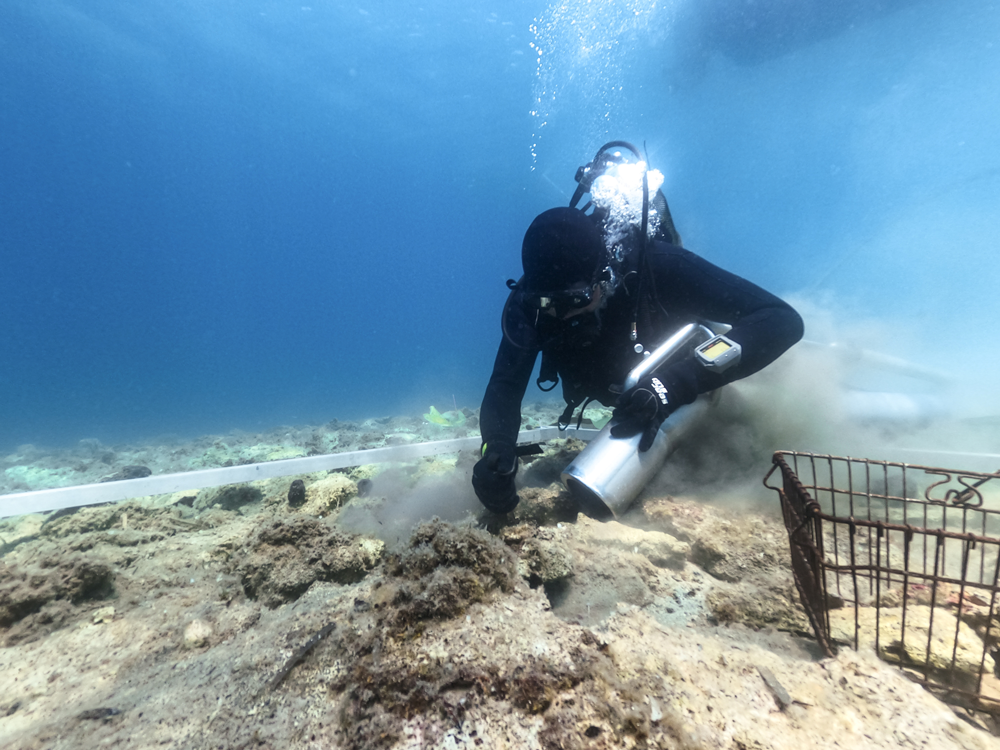
During underwater expeditions, researchers found several archaeological finds, including axes, millstones, and other tools useful for everyday life. These objects offer further insight into the culture and traditions of the ancient Hvar people.
The divers also realized that they were above the remains of an ancient settlement, similar to the one at Soline.
The artifacts discovered during the dives were analyzed in the laboratory to determine their age and state of preservation. Furthermore, the university will be committed to protecting the artifacts and the site, as they represent a priceless cultural heritage, while also leaving open the possibility for future research and discoveries.
The importance of collaboration between archaeologists and divers
Collaboration between archaeologists and divers is essential for the preservation of the underwater archaeological site. Although the stones are not at great depth, it is essential that expert divers organize the dives to ensure the protection of the discoveries and the safety of the scientists involved.
Watch the video of the discovery of the submerged road in Korčula: