



A humpback whale dies entangled in the nets of a trawler fishing for krill in the Southern Ocean. Scientists believe it followed the vessel because it was starving from competition with industrial krill fishing, a nascent industry meeting demand for pet food and the pharmaceutical industry.
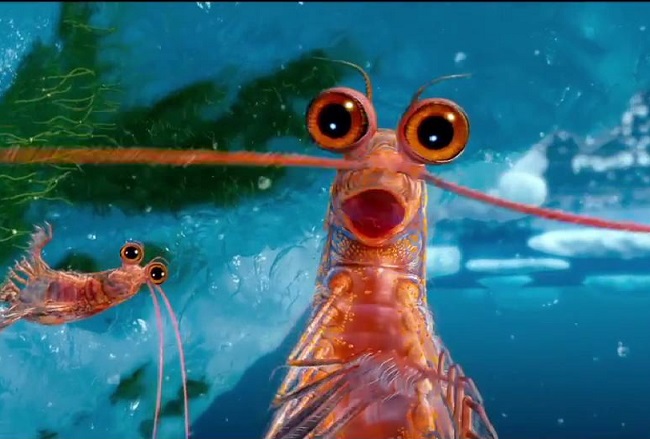
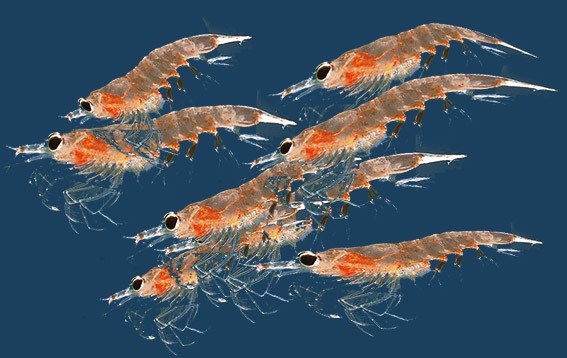
The Disney film Happy Feet becomes reality. Krill, a term of Norwegian origin, refers to crustaceans of the order Euphausiacea, which live in large schools and represent the base of cold ocean food chains. Krill are the source of life for large whales, but also for plankton-eating fish, which in turn feed penguins, seals, tuna, and seabirds.
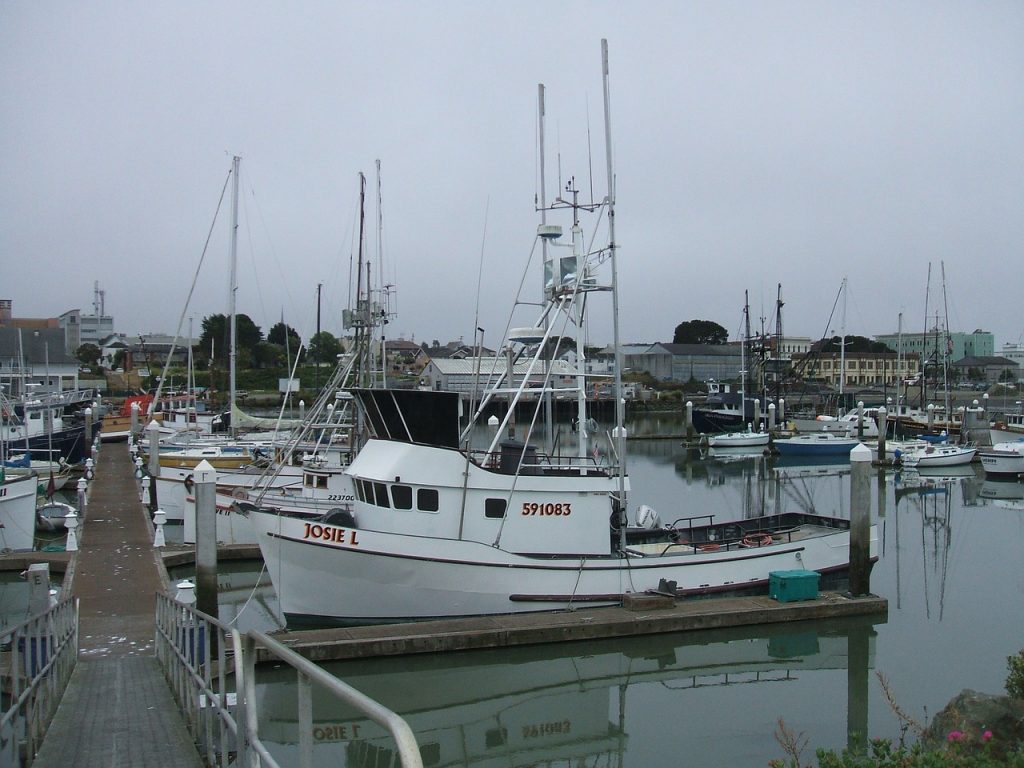
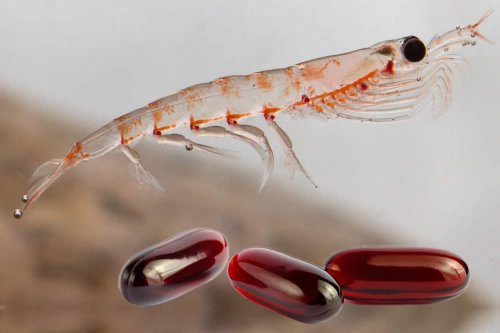
Scientists estimate that the waters of the Southern Ocean can support 300-500 million tons of krill, which has always been the basis of a powerful food web. But industrial fishing giants, led by China and Russia, are heavily exploiting this resource. Krill contains highly nutritionally valuable polyunsaturated fatty acids and fuels the food supplement industry, as well as the pet food industry, primarily in aquaculture, two rapidly expanding sectors. Krill is also threatened by ocean warming, which could severely impact its production.
And the result is that penguins must travel ever longer distances to feed their young, and that great whales are starving. Ironically, after having almost eliminated the hunting of these magnificent animals, we risk driving them to extinction through food competition, along with penguins, seals, and many other animals.