



Coral in suitcase: heavy fine; Returns from vacation with coral and shells collected on the beach, €5.000; €10.000 fine.
Every year we read headlines like this in the newspapers: "Fine for shell collectors," we sneer (we feel clever that it didn't happen to us) and raise a finger in disapproval. But are we sure we're safe? Could it happen to us too?
The theory behind the fines is this: I'm in a tropical paradise. It's impossible, if I'm in possession of a shell or a fragment of coral, to determine whether it was collected live from the sea or found dead on the beach. Nor is it possible to thoroughly check every diver and snorkeler on the beaches. But there's a bottleneck we all have to go through: customs control at the airport. Here, officials are authorized to look into our suitcases and make us open them. And they enforce regulations, which impose heavy fines for possession and attempted export, even for animals we've collected in good faith on the beach, thinking we're doing no harm. But how do we prove it?
Export of protected species
First of all, there is an international regulation, it is called CITES (Convention on International Trade in Endangered Species), the Washington Convention on International Trade in Endangered Species of Wild Fauna and Flora, which was signed on March 3, 1973 and has to date been ratified by approximately 170 countries.
CITES regulates the trade, export, import, and even the mere possession of species covered by the convention, or parts thereof, even if processed (e.g., elephant tusk ivory turned into statuettes, or black coral necklaces). Approximately 35.000 species are covered, of which approximately 30.000 are terrestrial plants. These species are divided into three Appendices according to the level of protection they require. To find out whether a particular animal or plant is included in the list of endangered species and, therefore, whether it is subject to specific restrictions on trade or possession, you should consult the database of the latest update to the EC Regulation published on the website www.cites.org (which lists all species covered by the Convention, catalogued by scientific name) or contact the relevant offices of the Forestry Corps ( www.corpoforestale.it ).
Penalties? In Italy (yes, at any international airport, upon departure or arrival, you could be checked for this) the law provides for the immediate seizure of organisms, heavy fines, and, in the most serious cases, the confiscation of your passport (if you're abroad), arrest, and detention. Unless you have a CITES certificate authorizing you to enter, which is difficult to obtain for many species.
And then there are local regulations to keep in mind. When leaving the Maldives , for example, it's forbidden to export beach sand. And it makes sense: besides the fact that the sand comes from fragmented coral, the entire nation is made of coral sand, so taking it away would contribute to the erosion of the islands!
“But the local women sell shells and objects made from protected animals with impunity!” True, but as I said, it's not easy to control all the beaches and resorts; it's easier to control the airports, where everyone has to pass. “But that's how they keep collecting shells.” It's the law of supply and demand; they'll continue as long as there's someone to buy them.
Fines for exporting protected species
We conclude with some basic rules for those who want to avoid heavy fines or criminal penalties, limiting ourselves to what is of interest to the diver (thus leaving aside those who slip a live lemur or chameleon into their suitcase, there's that too):
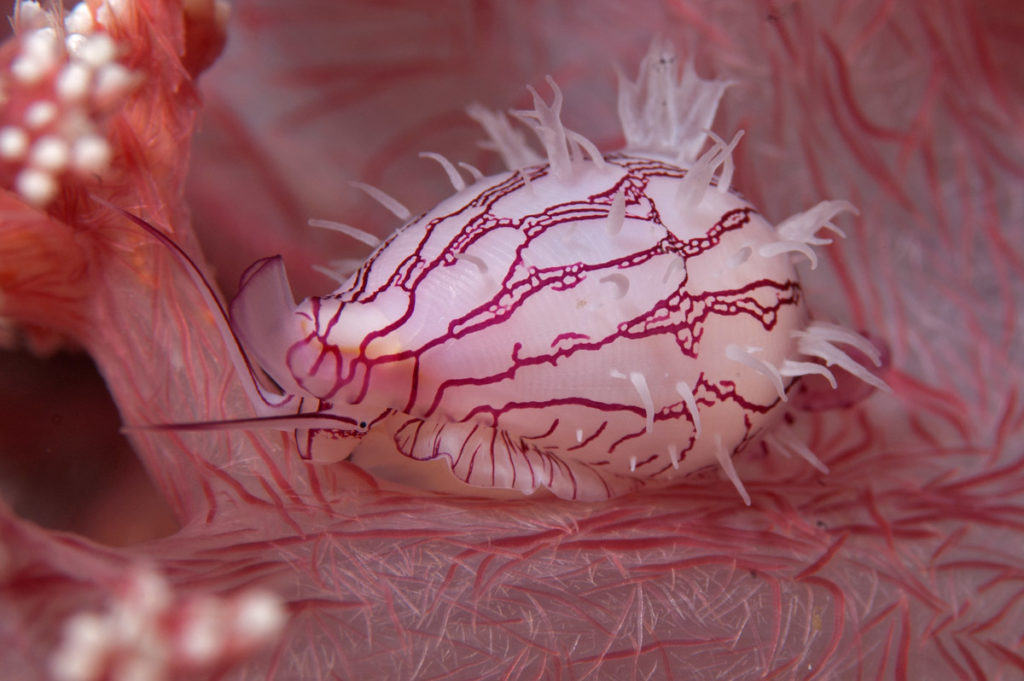
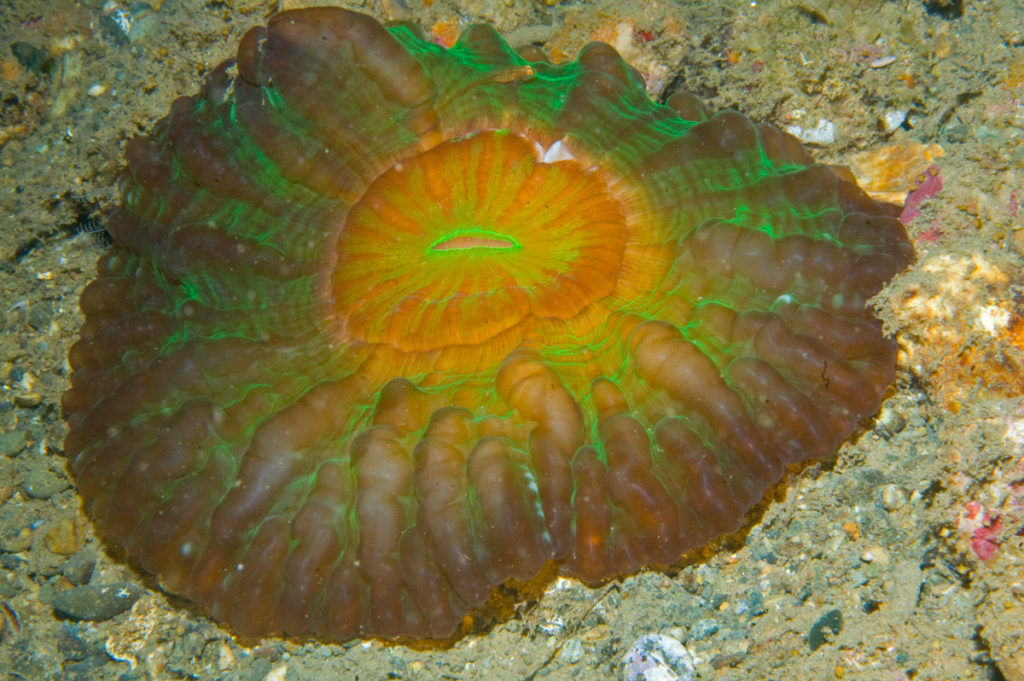
- Hard corals (madrepores and similar): Almost all species are protected. Avoid buying them in shops or at market stalls, and avoid picking up dead corals on the beach (it would be difficult to prove this). Remember that the ecological balance of the splendid white beaches you enjoyed on vacation is based on coral erosion and their transport by currents. If you want your children and grandchildren to see tropical beaches again, leave them where you found them. Fossil madrepores are not protected.
- Black corals (Antipatari): As above. They are often used to make jewelry, polished bead necklaces. Remember that possession of materials derived from protected species is also punishable.
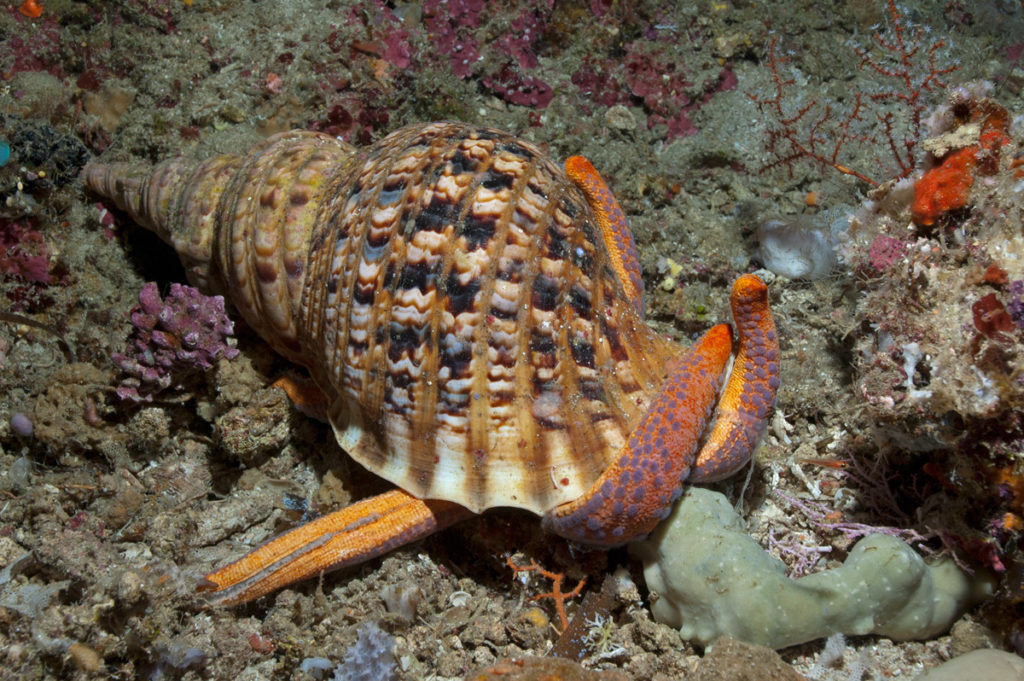
- Groin guards: here things get more complicated, because some species are protected, others may be protected by local laws. Nautilus are protected, as are the clams, the Strombus gigas and the newt. The most common shells are usually allowed, but unless you're a collector and don't have a solid knowledge of what you're buying, my advice is to leave them where you found them.
- SharksGiven the now concrete risk of extinction for many species, several sharks are listed as protected species or are awaiting inclusion. When in doubt, refrain from buying those macabre jaws to hang on the wall, or even tooth pendants.
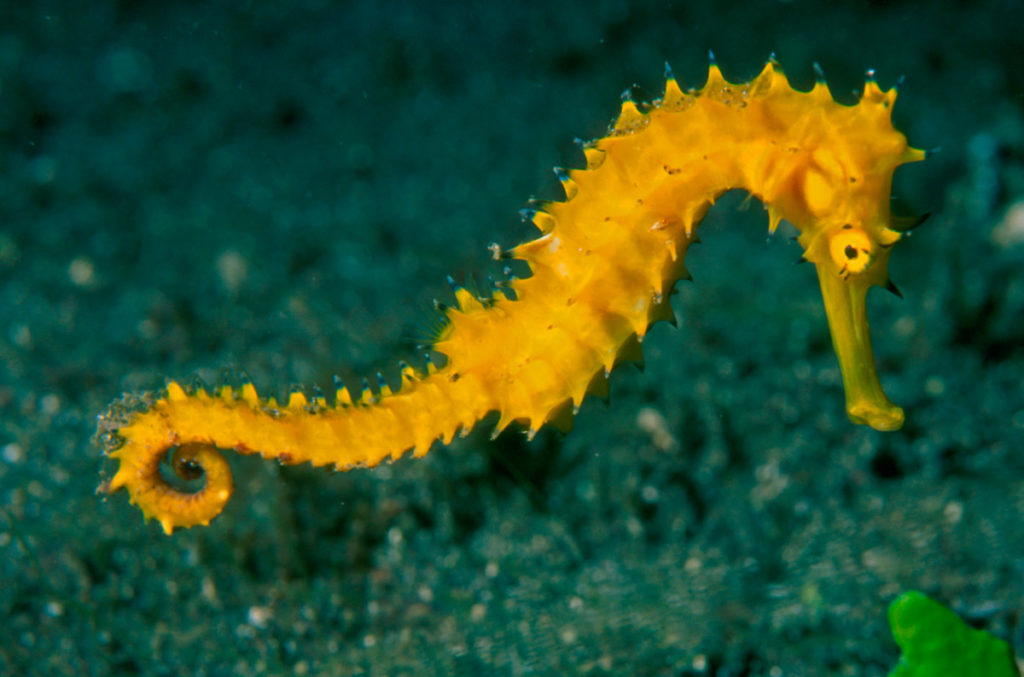
- Seahorses: they too are at risk of extinction, and the whole genus hippocampus (Seahorses) are protected, and their international trade is regulated. This means that buying and packing a dried seahorse from a market stall could be expensive... is it really worth it?
Ultimately, we came to this tropical paradise to enjoy the natural environment, to observe wild species living in their natural habitat... it shouldn't be the threat of a fine or criminal conviction that keeps us from bringing home macabre souvenirs, but the knowledge that we've helped preserve paradise as such. It may seem like a cliché, but if everyone takes a little piece of it away, sooner or later, paradise will end...